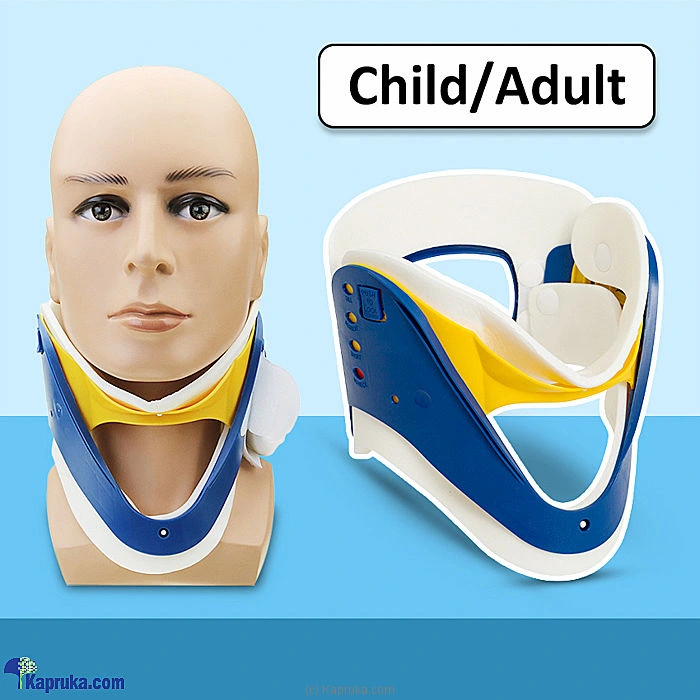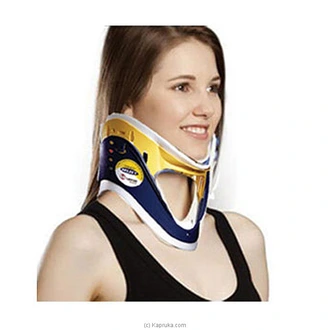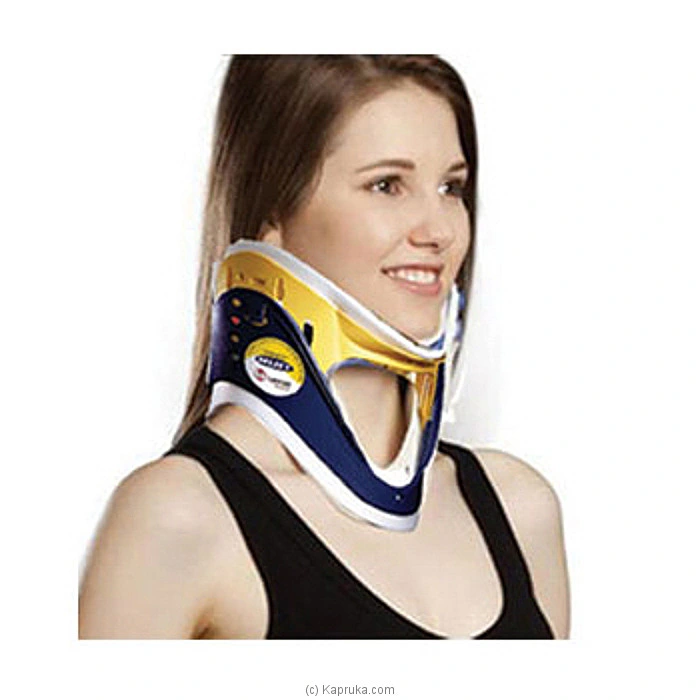


The Hard Cervical Collar SQ7015 is a rigid neck collar that supports recovery from bone and joint pain and keeps the spine in neutral alignment. This hard cervical collar holds the neck snugly while still allowing easy breathing. It can be paired with a head immobilizer and spine board for added stability.
Order the SQ7015 hard cervical neck collar online at Kapruka for reliable neck pain support and recovery delivered across Sri Lanka.
You can drive a car with a soft collar on (no driving while taking narcotic pain medication). Usually, it is safe to drive yourself 10 days after the surgery, if your neck feels comfortable. Generally, if you are wearing a hard collar you may NOT drive. You can be a passenger in a car after one week.
We deliver to any address in Sri Lanka
Unless told otherwise, wear the collar whenever you are out of bed. You may take it off for sleep. and for bathing. When lying down, support your neck with a small pillow or rolled-up towel under the neck. When adjusting your pillows, try to keep your neck in line with your upper back (neutral position).
A hard cervical collar is used for spine problems or injuries. It limits forward and backward movement more than a soft one does. Hard collars are usually only used after major surgery or a serious injury, such as a broken neck. You may get a hard cervical collar after you`ve used a halo brace.
The soft type of neck collar is often used for moderate neck pain, while the hard collar is typically used for severe neck pain, spinal fractures, and injuries.
You Also Looked At
Orthopaedic support items are commonly used alongside a broader range of medical devices for home care in Sri Lanka, particularly by patients recovering from neck injuries, post-surgical procedures, or cervical spine conditions. Pairing rigid support collars with appropriate pet training aids helps manage daily movement safely during recovery.
Patients managing bone and joint conditions often need a range of pharmacy-grade items beyond braces and supports. Browsing fitness equipment can help caregivers find supportive products for long-term use, including positioning aids, comfort accessories, and other clinical-grade items suited for home-based recovery.




.png?v1) Cake Shop
Cake Shop Top Sellers
 Kapruka Cakes
 Javalounge Cakes
 NH Collection Cakes
 Breadtalk Cakes
 Hilton Cakes
 Kingsbury Cakes
 Cinnamon Cakes
 Gerard Mendis Chocolatier Cakes
 Waters Edge Cakes
 Divine Cakes
 Shangrila Cakes
 Mahaweli Reach - Kandy
 McLarens Topaz - Kandy
 Sponge Cakes
 Green Cabin Cakes
 Courtyard By Marriott Cakes
 Caravan Fresh Cakes
 T Lounge By Dilmah Cakes
 Kandy Myst By Cinnamon
 Earl`s Regent Hotel
 Custom Printed Cakes
 Customized Cakes
 Combo Gift Packs
 Chocolates
 Top Sellers
 Kapruka Chocolates
 Java Lounge
 Ferrero Rocher
 Lindt
Lindt Sweetbuds
 Gerard Mendis Chocolatier
 5 Star Hotels
 Cadbury
 Hersheys
 Kit Kat
 Mars
Mars Ritzbury
 Revello
 Kandos
 toblerone
 Other
Other Clothing
 Sarees
 Dresses
 Ladies Tops
 T-shirts
 Lingeries
 Lungies / Sarongs
 Jeans
Jeans Gents Wear
 Kids Wear
 Electronics
 Home Appliances
 Computers
 Personal Care
 Headphones
 Tools/Machinery
 TV/Audio
 Laptops
 Smart Watches
 Cameras
 Light And Power
 Mobile Accessories
 Tabs
Tabs Gadgets
 Mobile Phones
 Drones
 Flower Shop
 Royal Bloom
 Anniversary Flowers
 Birthday Flowers
 Flower Bouquets
 Chrysanthemums
 Congratulations Flowers
 Custom Flowers
 Exotic Flowers
 Getwell Flowers
 Just
Just Lilly
Lilly Love And Romance
  Newborn Flowers
 Pink Roses
 Plants
 Red Rose
 Shirohana
 Sympathy
 Thank You
 Wedding Flowers
 Food / Restaurants
 Fruit / Fruit Baskets
 Veg / Veg Baskets
 Gift Vouchers / Tickets
 Combo and Gift Sets
 Grocery Items
 Bagged Food
 Beverages
 Canned Food
 Cleansers
 Condiments
 Confectionery And Biscuits
 Cut Vegetables
 Dairy Products
 Dessert
 Eggs And Oil
 Exotic Vegetables
 Flour / instant mixes
 Frozen Food
 Global Food
 Herbs
Herbs Juice / drinks
 Pasta And Noodles Categories
 Pest Control
 Rice
Rice Seafood
 Snacks And Sweets
 Specialty Foods
 Spices And Seasoning Categories
 Bakery/Spreads/Cereals
 Tobacco
 Vegetables
 Wellness
 Greeting Cards / Party
 Hampers
 Jewelry / Watches
 Vogue
Vogue Swranamahal
 Arthur Jewelry
 Stone N String
 Mallika Hemachandra
 Raja Jewellers
 Chamathka
 Tash Gem And Jewellery
 Watches
 Mens Jewellery
 Womens Jewellery
 Kids Jewellery
 Personalized Gifts
 Customized Cakes
 Customized Drinkware
 Customized Photo Albums And Frames
 Customized Message in Bottle
 Customized Gift Sets
 Customized Clock
 Customized Chocolate Box
 Perfumes / Fragrances
 Hand Bags / Fashion / Shoes
 HandBags
 Ladies Shoes
 Fashion Accessories
 Wallets
 Eyewear Accessories
 Umbrellas
 Belts
Belts Fashion Gift Sets
 Cosmetics
 College Pride
 School Supplies
 Books
Books Health and Wellness
 Vitamins And Supplements
 Sexual Wellness
 Ayurvedic
 Capsules
 Soft Toys / Kids Toys
 Soft Toys
 Kids Toys
 Bicycles / Riders
 Baby Items
 Remote Cars
 Diecast Model Cars
 Sports / Bicycles
 Mother & Baby
 Wine & Spirits
 Home & Lifestyle
 Religious Items
 Automobile
 Petcare
 Intimate Essentials
 Made In SL
 Kapruka Global Shop
 See More Categories
 Get SL Merchandise
 Services
 Reload Mobile Phones
 Send Money/Vouchers
 Realestate Services
 Office Locations
 Get a Corporate Card
 Kapruka Careers
 Contact Us
 Order Tracking
 Brands