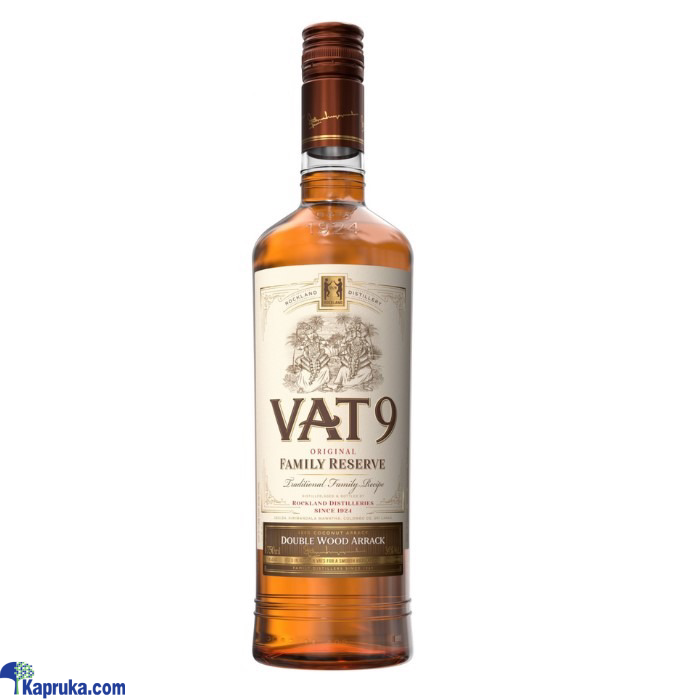
Arrack in Sri Lanka is more than just an alcoholic drink. After all, it is a cultural experience that has been passed down through generations. Uniquely, this distinctive spirit, deeply rooted in the history of Sri Lanka, continues to captivate the palates of locals and global enthusiasts alike. From its humble beginnings to its growing international recognition, Arrack offers a unique glimpse into the heritage of our little island. In this article, we will explore the fascinating journey of arrack production, the different varieties, and why it remains a favorite drink in Sri Lanka and beyond.

Arrack in Sri Lanka: What is Arrack?
Arrack is a distilled alcoholic beverage rooted in the rich agricultural practices of Sri Lanka. In this case, the process of making arrack starts with the fermentation of sap, which comes from various natural sources. Once the sap is fermented, it is distilled, usually in traditional copper stills, to capture the essence of the rich vegetation of Sri Lanka. Thus, this method of production gives arrack its distinct, smooth flavor and makes it a beloved drink in Sri Lanka.
Arrack in Sri Lanka : A cultural icon
In Sri Lanka, arrack is a symbol of hospitality, tradition, and celebration. By all means, it is often served during family gatherings, special occasions, and festive events. Certainly, arrack plays a key role in socializing, as Sri Lankans bond over a glass of arrack, sharing stories and laughter.
How arrack is made : Collection of sap
The production of Sri Lankan arrack primarily involves the fermentation and distillation of sap collected from various trees, such as:
Coconut Flower: This is the primary source for most Sri Lankan arrack, including the renowned Ceylon arrack and pol arrack.
Palmyra Palm: Used to make palmyra arrack, which has a sweeter and more robust flavor.
Kitul Palm: The sap from the kitul palm is used to make gal arrack, known for its earthy and complex notes.


How to make coconut Arrack
Yes, arrack is a spirit distilled from the sap of the coconut flower, which is still harvested by hand.
Harvesting
Skilled men called toddy tappers climb coconut trees early in the morning to collect the sap by hand.

Fermentation
The sap ferments naturally once collected and must be distilled within 24 hours. Another key point is that the sap has its own natural yeast and ferments to an alcohol content of around 7.5 percent.
Distillation
The sap is distilled over a period of twenty-four hours.
Aging
The raw distilled spirit is left to rest and age in Hamilla oak barrels. To point out, Hamilla wood is native to Sri Lanka and southern India and is considered the region’s equivalent of oak.

Varieties of Arrack: Coconut arrack
Sri Lanka is home to a wide range of arrack varieties, each offering unique characteristics. Among these, coconut arrack is perhaps the most well-known. Significantly, arrack has a complex yet floral flavor with light citrus notes, a hint of coconut, and a dash of honey. For this reason, some describe the taste as resembling a blend between whiskey and rum. Notably, this variety has become a staple in Sri Lankan households and bars, praised for its smoothness and versatility.

Palmyra arrack, made from the sap of the palmyra palm, offers a more robust flavor profile. Thus, it has a slightly sweet taste and is often preferred by those who enjoy stronger, bolder flavors. Meanwhile, gal arrack, derived from the fermented sap of the kitul tree, is a popular favourite among seasoned arrack drinkers. In detail, it features a complex, earthy flavor that is more intense, and it is often sought after by connoisseurs.

Why Arrack Stands Out
What sets Arrack apart from other spirits is its deep connection to the land. The ingredients used in its production, such as coconut and palmyra sap, make it a reflection of resources available in Sri Lanka. Markedly, it is also a product of centuries-old techniques passed down through generations, giving it an authenticity that modern drinks cannot replicate.
Arrack is traditionally consumed by itself or with soda, coke, Sprite, or ginger beer, a popular soda in Sri Lanka. Moreover, the versatility of mixing arrack makes it a perfect ingredient for a wide range of cocktails. Whether you prefer it with soda or fruit juices, there is no shortage of ways to enjoy this unique spirit.
Ceylon Arrack: A Spirit with Global Prestige
Ceylon arrack is often regarded as the pinnacle of Sri Lankan spirits. Made predominantly from the sap of the coconut flower, this variety is smooth, light, and versatile. Especially, it has earned international acclaim for its refined flavor profile, which balances subtle sweetness with floral undertones. Unlike other spirits, Ceylon arrack boasts a delicate finish, making it ideal for sipping neat or mixing into cocktails.

Global mixologists have embraced Ceylon arrack for its ability to elevate traditional cocktails like sours and mojitos. Particularly, its versatility ensures it pairs well with citrus, tropical fruits, and spices. As Sri Lanka’s most recognized spirit, Ceylon arrack symbolizes the island’s rich heritage and craftsmanship.
Pol Arrack: The Heart of Tradition
Coconut arrack, also called Pol arrack in Sri Lanka, is a staple in Sri Lankan households and celebrations. Derived from the sap of coconut flowers, this spirit has a velvety texture and a slightly nutty, sweet flavor. Further, its aroma often carries subtle hints of tropical fruits, which adds to its charm.

Pol arrack is traditionally served with soda water or lime, enhancing its natural sweetness and smoothness. In essence, Pol arrack is also a favorite ingredient in Sri Lankan-style cocktails, such as the Arrack Sour or Coconut Arrack Colada. All in all, its light, versatile nature makes it perfect for casual gatherings and festive occasions.
Gal Arrack: Unique local taste
Gal arrack, derived from the sap of the kitul tree, is a more robust and earthy variant of Sri Lankan arrack. Often referred to as the whisky of the poor, gal arrack is prized for its unique flavor, which combines caramel-like sweetness with rich, woody undertones. Therefore, Gal arrack is best enjoyed neat or with a splash of water, allowing its intricate notes to shine. It is commonly consumed in rural areas or as a more affordable option for casual drinking. The Gal arrack price in Sri Lanka varies, but generally, it is Rs 3650 for 750 ml as of 26th December 2024.

Old arrack: Refined taste
The difference between Old Arrack and Gal Arrack in Sri Lanka lies in their production process and taste. Old Arrack is made primarily from the sap of coconut flowers (toddy). Ultimately, old arrack tastes smooth, with a slightly sweet and mellow flavor profile, and is often enjoyed neat or in cocktails. Seen as a premium choice, it is popular in formal gatherings and celebrations. In essence, Old Arrack is a more refined, premium product, while Gal Arrack is a simpler, stronger, and more traditional variant.

Conclusion
Arrack price in Sri Lanka vary depending on the brand and sales outlet. In hotels, the price is higher compared to a wine store. Arrack in Sri Lanka represents a heritage that reflects the agricultural traditions and rich culture of Sri Lanka. From its craft production to the diverse flavors that cater to every palate, arrack continues to hold a special place. As its popularity grows beyond the island, people around the world are discovering the unique flavors of this extraordinary spirit. Whether you are a long-time fan or a newcomer to the world of arrack, this iconic Sri Lankan libation is sure to leave a lasting impression.